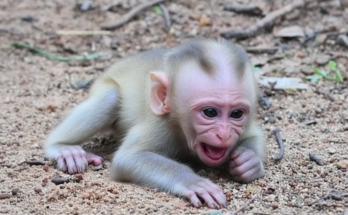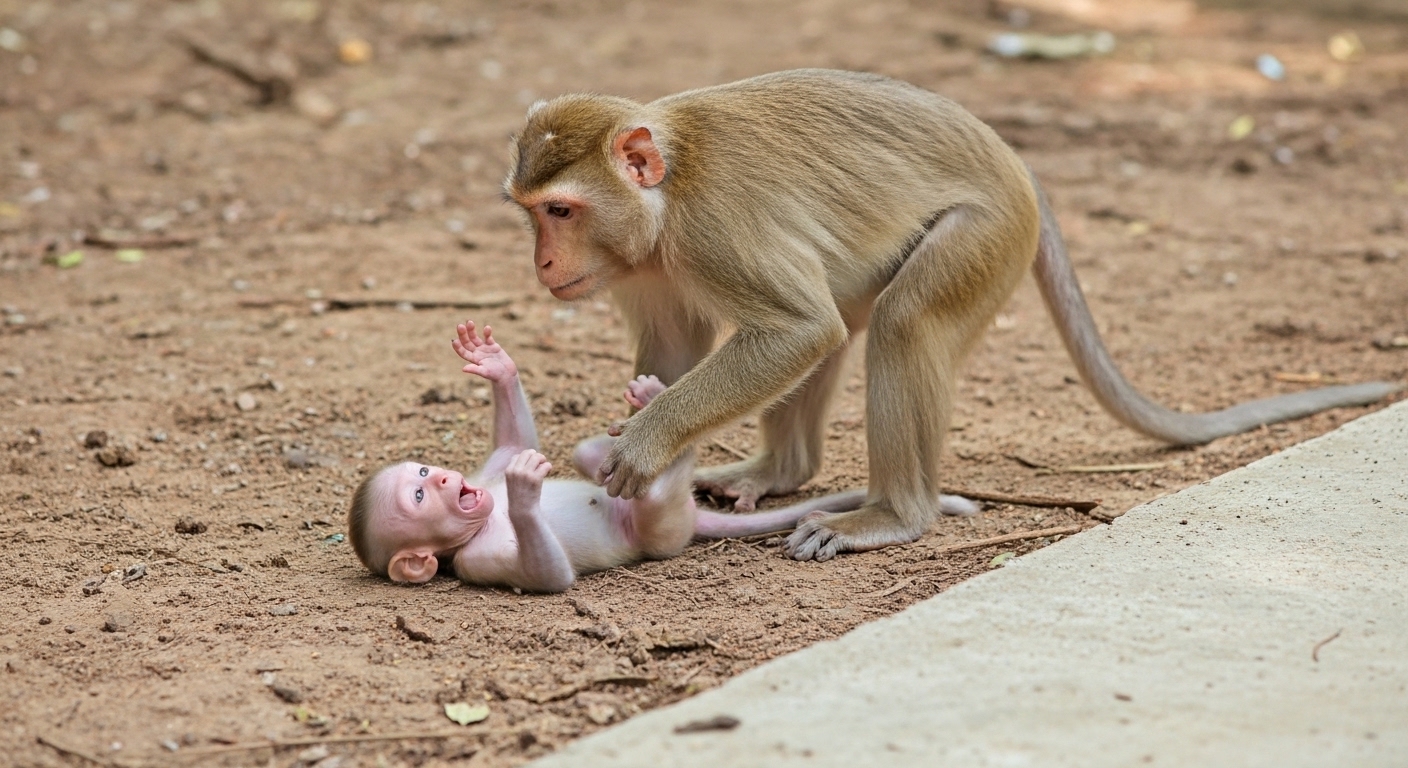
A pity baby is a baby that makes people feel deep sadness, sympathy, and compassion because the baby is suffering and cannot help itself. When someone says “pity baby”, they are not judging the baby. They are expressing pain in their heart for what the baby is going through. 💔
A baby is small, weak, and completely dependent. It cannot explain feelings with words. It cannot understand reasons. It cannot protect itself. Because of this, when something goes wrong, the baby’s suffering feels especially heartbreaking.
A pity baby is often seen crying alone.
The baby may be hungry, waiting for milk that does not come yet. Hunger for a baby is not just discomfort—it feels like fear. The stomach hurts, the body feels weak, and the baby doesn’t know if help will arrive. Crying is the only way the baby can ask for care.
A pity baby may also be scared.
Loud sounds, strange places, cold air, or being separated from the mother can terrify a baby. The world feels huge and dangerous. Without a familiar face or warm arms, everything feels unsafe. Fear makes the baby cry harder, shake, or cling desperately to anything nearby.
Sometimes, a pity baby looks angry.
But this anger is not bad behavior. It is pain coming out the wrong way. When a baby feels abandoned or confused, anger can appear because the baby doesn’t know how to express hurt. Behind that anger is sadness, fear, and a strong need for love.
A pity baby may look weak or exhausted.
Crying for a long time uses a lot of energy. The baby’s eyes may look tired and swollen. The body may feel heavy. The baby might stop crying not because it feels better, but because it has no strength left. This moment hurts people the most to watch.
People feel pity because the baby is innocent.
The baby did nothing wrong. It didn’t choose to be born into danger, hunger, or separation. It only wants warmth, milk, safety, and love. When these basic needs are missing, even for a short time, the baby suffers deeply.
Many people ask, “Why doesn’t the mother care?”
This question comes from seeing the baby’s pain. But in nature, caring is not always simple. Sometimes the mother must leave to find food. Sometimes she must move away from danger. Sometimes she is sick, injured, or scared herself. The baby cannot understand these reasons, so the pain feels like abandonment.
That is why it looks so pitiful.
The baby cries because it believes it has been left forever. The mother may be planning to return, but the baby only knows the present moment. For a baby, even a few minutes of absence can feel endless.
A pity baby also makes people reflect on their own hearts.
When we feel pity, it means we recognize suffering. It means we understand vulnerability. It means we still care. Feeling pity is not weakness—it is empathy. It shows humanity and kindness.
Calling a baby a “pity baby” does not mean the baby is hopeless.
It means the baby needs help, care, and protection. Many pity babies survive because someone notices, someone returns, someone helps, or someone shows love at the right moment. Pity can become action. Compassion can become care.
In stories about baby monkeys, the feeling is even stronger.
They look so similar to human babies. Their cries sound familiar. Their clinging hands and frightened eyes remind us of our own children, our own childhood, or our own moments of fear. That connection makes the pity feel deeper and more painful.
So when someone says “What a pity baby”, they are really saying:
“This baby is suffering.”
“This baby does not deserve this pain.”
“I wish someone would protect this baby.”
It is a cry from the heart.
A pity baby is not defined by sadness forever.
It is defined by a moment of pain that needs care.
And when care finally comes—when arms hold, when milk arrives, when warmth returns—the pity slowly turns into relief. 💛
If you want, I can:
-
turn this into a short simple version
-
write a sad caption
-
or make a story about a pity baby monkey
Just tell me 🐒💔